
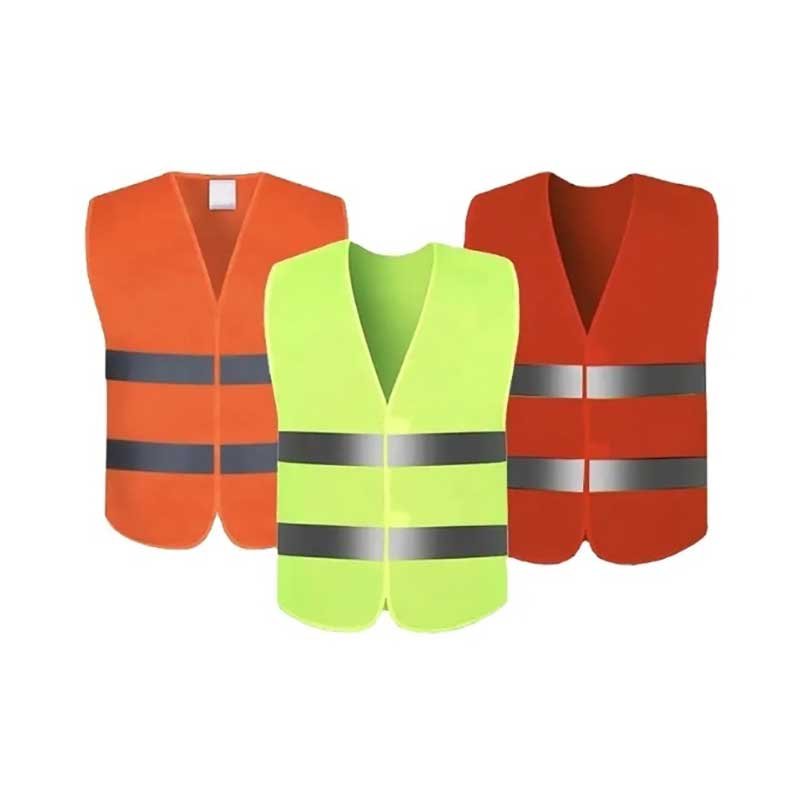
1. Why Hi-Vis Clothing Literally Saves Lives
Visibility is the first line of defense in industrial safety. Whether it is a midnight road repair, a busy shipping port, or a high-traffic warehouse, being seen is the difference between a normal shift and a fatal accident.
Statistics show that a large percentage of industrial accidents occur in low-light conditions or environments with high vehicle movement. Without the best reflective safety clothing, a worker is practically invisible to a forklift driver or a truck operator until it’s too late. High-visibility (Hi-Vis) gear isn’t just a uniform; it’s a passive safety system that works 24/7 to keep your team alive.
2. Decoding Hi-Vis Standards: What Do the Classes Mean?
When sourcing the best orange reflective safety clothing, you can’t just pick based on color. You must understand the “Classes.” The international standard EN ISO 20471 categorizes clothing based on the amount of background fluorescent material and reflective tape.
European Standard: EN ISO 20471
| Class | Min. Background Material | Min. Reflective Material | Ideal Usage Scenarios |
|---|---|---|---|
| Class 1 | 0.14m² | 0.10m² | Low risk (off-road, private roads, parking lots) |
| Class 2 | 0.50m² | 0.13m² | Moderate risk (delivery drivers, construction sites) |
| Class 3 | 0.80m² | 0.20m² | High risk (high-speed roads, highway maintenance) |
Note: Class 3 often requires long-sleeve jackets or coveralls to ensure a full human silhouette is visible from all angles.
American Standard: ANSI/ISEA 107
The US standard uses “Types” to categorize work zones:
- Type O (Off-road): For environments where workers aren’t near traffic.
- Type R (Roadway): For workers exposed to traffic on public highways.
- Type P (Public Safety): For police, fire, and EMS personnel.
3. 6 Key Parameters to Check Before You Buy
Not all Hi-Vis gear is created equal. To find the best reflective safety clothing, you need to look past the glow. Check these six technical specs:
- Reflective Tape Width: Standard reflective tape should be at least 50mm wide. Narrower tape might fail to meet Class 2 or 3 requirements.
- Fluorescent Color Choice: Fluorescent Yellow-Green offers the highest contrast in urban settings, but the best orange reflective safety clothing is often preferred for roadwork and railway settings as it contrasts better against green landscapes.
- Wash Durability: Reflective properties fade with every wash. Quality gear should guarantee at least 25 to 50 industrial wash cycles while maintaining certified brightness.
- Breathability & Comfort: If the vest feels like a plastic bag, workers won’t wear it. Look for mesh panels or moisture-wicking fabrics for hot climates.
- Multi-Hazard Protection: Does your site require more than just visibility? Look for gear that is also Waterproof, Flame Resistant (FR), or Anti-Static.
- Color Fastness: Ensure the fabric undergoes UV-resistance testing so the “neon” doesn’t turn into a “dull yellow” after two weeks under the sun.
4. Industry Recommendations: Picking the Right Gear
Choosing the right kit depends on your specific “Danger Zone”:
- 🛣️ Road Maintenance & Traffic Control: Class 3 is mandatory. You need full-body coverage. Pair your jacket with a high-quality safety helmet and waterproof safety toe shoes to handle roadside debris and weather.
- 🚜 Logistics & Warehouse Operations: Class 2 vests are usually sufficient. Focus on “tear-away” designs to prevent snagging on machinery.
- 🏗️ General Construction: Class 2 is the baseline. Because sites are often damp or muddy, we recommend bundling your clothing with waterproof safety shoes to keep feet dry and visible.
- 🌙 Night Patrol & Security: Class 2 or 3 depending on vehicle proximity. Ensure the tape layout provides a “360-degree” silhouette.
5. Common Myths About Hi-Vis Clothing
Myth 1: “More reflective tape is always better.”
- Truth: It’s about placement, not just quantity. Tape must be placed to define the human shape. Too much disorganized tape can actually confuse drivers at night.
Myth 2: “Fluorescent yellow and orange are the same.”
- Truth: They serve different optical purposes. Yellow-Green is the brightest to the human eye, but Orange is better for distinguishing workers from construction equipment (which is often yellow).
Myth 3: “If it looks bright, it’s still safe.”
- Truth: The human eye can’t judge the “Retro-reflectivity” (how much light is bounced back to the driver). Once the tape is cracked or the fabric is greyed with dirt, it loses its certification.
6. Why Source Your Hi-Vis Gear from VITOPPE?
At VITOPPE, we understand that safety is a “Head-to-Toe” mission. While we are famous for our safety toe work shoes for men and specialized shoes safety ladies lines, our safety clothing is built with the same industrial rigor.
- Strict Quality Control: Every batch of our best reflective safety clothing undergoes fabric tension and reflectivity testing.
- One-Stop Sourcing: Why deal with five vendors? You can source your safety helmet, waterproof safety shoes, and reflective gear in a single shipment.
- Certified Protection: While we specialize in CTC/SGS tested footwear like our waterproof safety toe shoes, our clothing follows the strict EN ISO 20471 guidelines to ensure global compliance.
7. Ready to Brighten Up Your Safety Standards?
Don’t let your workers fade into the background. Whether you need the best orange reflective safety clothing for a highway project or lightweight vests for a warehouse team, VITOPPE has the inventory and the expertise to help.
Equip your team with the best gear, from the safety toe work shoes for men on their feet to the high-visibility jacket on their backs.
👉 Order Samples for Your Safety Team
VITOPPE — Qingdao Vitosafe Footwear Co., Ltd. | Your Partner in Professional PPE Solutions.