
Safety shoes are built to be tough. They protect you from falling objects, sharp nails, and slippery floors. But even the best safety shoes can break down if they are covered in mud, salt, or chemicals.
Think of your safety toed shoes like a car. You wouldn’t drive a car for a year without washing it or changing the oil. Your shoes need the same attention. Proper safety shoe maintenance saves you money. It also keeps you safer on the job.
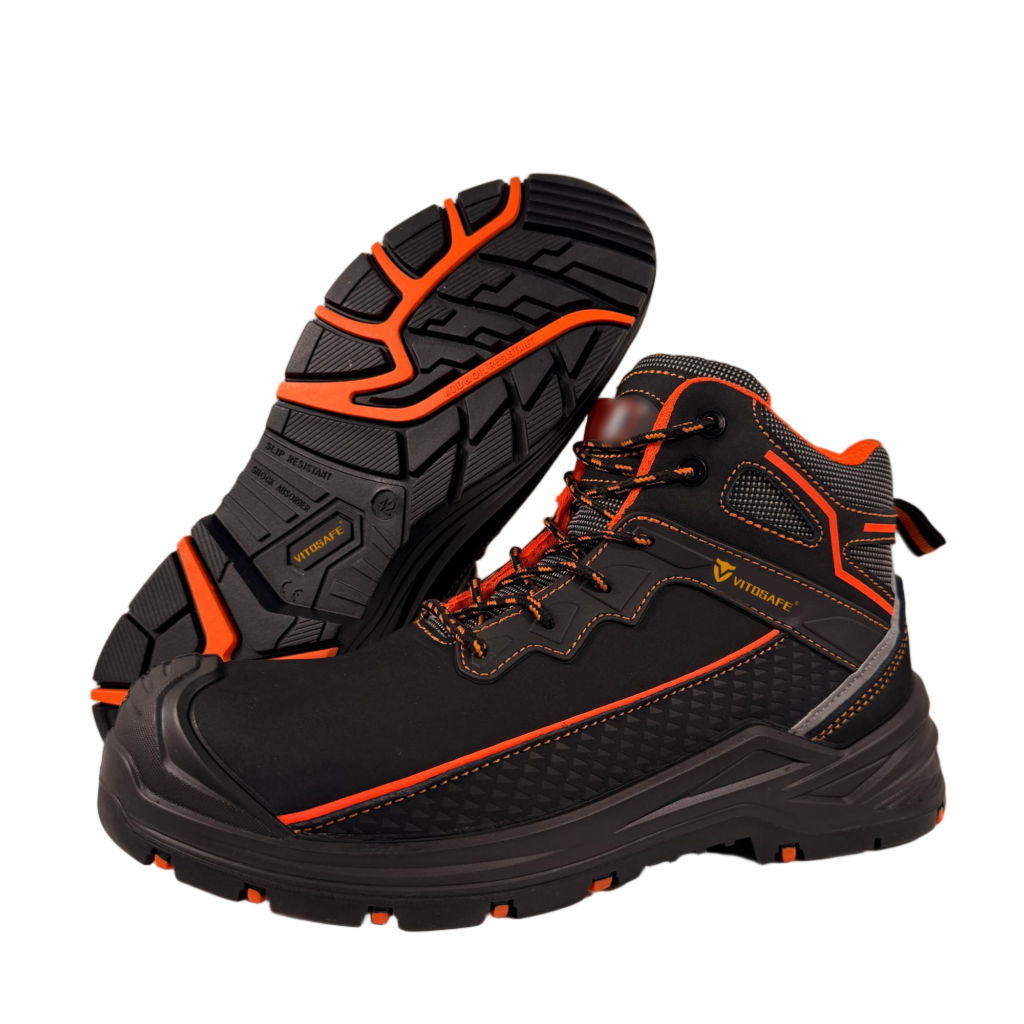
1. How Often Should You Clean Safety Shoes?
The short answer? Every day.
You don’t need to do a deep clean every night. But you should brush off loose dirt after every shift. If you work in a high-acid or very muddy environment, you should rinse them daily.
A deep clean should happen once a week or once every two weeks. This depends on how dirty your job site is. Regular cleaning prevents dirt from grinding into the material and causing cracks.
2. Cleaning by Material Type
Different types of safety shoes need different care. You wouldn’t clean a composite safety shoe made of mesh the same way you clean heavy leather boots.
Leather Safety Shoes
Leather is a skin. It can dry out and crack.
- Use a soft brush to remove dust.
- Wipe with a damp cloth and mild soap.
- Never soak leather in water.
Synthetic and Mesh Shoes
Many ultra lightweight safety shoes are made from synthetic fabrics.
- These are easier to clean.
- You can use a soft brush and warm soapy water.
- They dry faster than leather, but still need care.
Gumboots (PVC or Rubber)
- These are the easiest!
- Just hose them down with cold water.
- Use a brush for stubborn mud on the soles.
3. The Step-by-Step Cleaning Process
Follow these five simple steps to keep your mens composite safety shoes or women safety shoes in top shape.
Step 1: Remove Dust and Mud
Use a stiff brush to get the big chunks of mud off the soles. Use a softer brush for the uppers. If you leave mud on the shoe, it sucks the moisture out of the material.
Step 2: The Wet Wash
Mix warm water with a tiny bit of mild dish soap. Use a cloth to wipe down the exterior. If you have women’s safety toe work shoes with delicate mesh, be gentle. Do not use harsh chemicals or bleach.
Step 3: Proper Drying
This is the most important step. Never put your shoes in front of a heater or in direct sunlight. High heat makes leather crack and ruins the glue.
- Remove the insoles.
- Stuff the shoes with recycled newspaper.
- Let them dry naturally in a cool, dry place.
Step 4: Condition and Protect
If you have leather safety shoes, apply a leather conditioner once a month. This keeps the leather soft. For synthetic shoes, you can use a water-repellent spray to help them stay dry in the rain.
Step 5: Inspect the Interior
Check your safety toe inserts for shoes. If they are worn out, replace them. A fresh insole makes old shoes feel like the most comfortable safety shoes again.
4. What NOT to Do: Common Mistakes
We see these mistakes all the time. Avoid them to save your shoes!
- Don’t use a washing machine: The tumbling and hot water will destroy the structure of your safety toed shoes.
- Don’t use a dryer: The heat will melt the glue and shrink the materials.
- Don’t use bleach: It breaks down the fibers and ruins the color.
- Don’t ignore the laces: Dirty laces can break. Wash them separately or buy new ones every few months.
5. Storing Your Safety Shoes Properly
When you get home, don’t just throw your boots in a dark, damp corner. Bacteria and mold love moisture.
Store your shoes in a well-ventilated area. If you can, have two pairs of safety steel toe shoes and rotate them. This gives each pair 24 hours to dry out completely between uses. This is a secret tip that safety shoe distributors always recommend.
6. When to Replace Your Safety Shoes
Even with the best care, no shoe lasts forever. You should replace your safety work shoes if:
- The toe cap is visible: If you can see the steel or composite, they are no longer safe.
- The tread is flat: If the soles are smooth, you will slip.
- The leather is cracked all the way through: This means water and chemicals can get to your feet.
- The shoe feels “dead”: If the cushioning is gone, you will start to have back and knee pain.
Why Choose VITOPPE for Your Safety Gear?
At Qingdao Vitosafe Footwear Co., Ltd (VITOPPE), we build our shoes to be durable. But we also want to help you maintain them.
The VITOPPE Advantage:
- Laboratory Tested: Our shoes are tested by SGS and CTC. We make sure the materials can handle the cleaning and the work.
- Advanced Materials: From ultra lightweight safety shoes to heavy-duty women safety shoes, we use the best components available.
- Fast Samples: Want to test the durability of our composite safety shoe? We can send samples to B2B buyers in 15 working days.
- B2B Support: We work with distributors to provide care guides for their customers.
Take Care of Your Gear, and It Will Take Care of You
Cleaning your shoes only takes five minutes a day. But those five minutes can save you a lot of money and prevent foot pain. Whether you wear mens composite safety shoes or women’s safety toe work shoes, a clean shoe is a safer shoe.