
Farm work looks simple from a distance. Up close, it is not. The ground is wet. Tools are sharp. Animals are heavy. Chemicals can splash. And the weather changes fast.
That is why PPE matters on a farm. Two items do more daily “damage control” than almost anything else: gumboots and Gloves.
This guide keeps it simple. You will learn what to buy, why it matters, and how to pick the right styles for your crew.
1) what you are protecting against
Most farm injuries come from regular tasks. Not rare accidents. Here are the risks we see buyers plan for:
- Mud and slick ground
Wet grass, manure, irrigation water, and muddy lanes. Slips happen fast. - Chemicals and pesticides
Sprays, fertilizers, disinfectants, and fuel. Even “small splashes” add up. - Animal contact
Stepped-on feet. Crushed toes. Sudden kicks. Heavy weight. - Sharp tools and materials
Knives, wire, blades, thorns, and metal edges. Cuts are common.
Good PPE does not slow work down. It helps workers stay steady and keep moving.
2) First things first: define gumboots
Let’s answer a question buyers type into Google all the time: define gumboots.
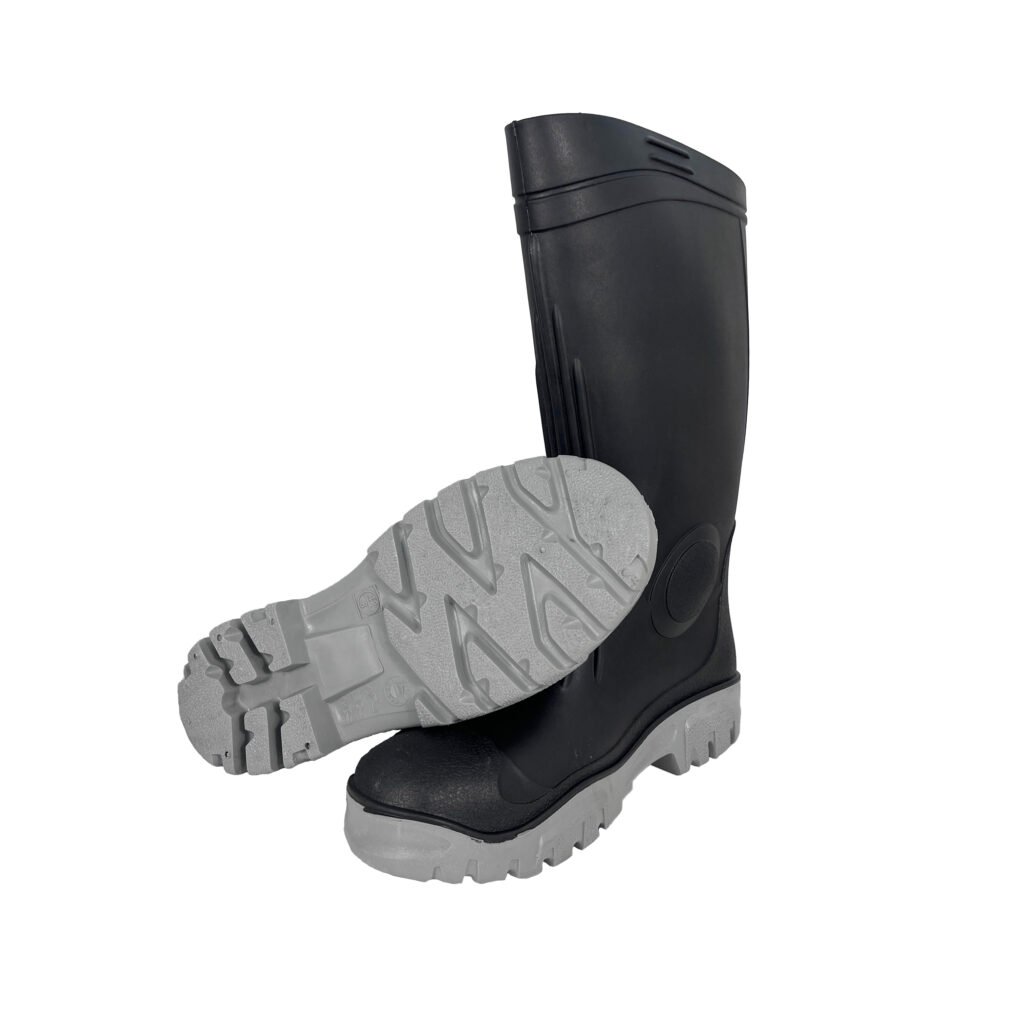
Gumboots are tall, waterproof boots made from rubber or PVC. They are designed for wet, muddy, messy work. One gumboot can handle water, sludge, and wash-down areas much better than a normal work shoe.
Depending on the market, you will hear different names. Some people call them rain boots. In the UK and some Commonwealth markets, people call them wellies. You may even see searches like gumboots wellies. Same idea. Different word.
You may also see the phrase gumboots boots online. People often type it that way when they mean “heavy-duty waterproof boots.”
3) Why gumboots are the #1 choice for farmers
If you work around water and mud, waterproof footwear is not optional. It is daily protection.
Here is why gumboots are such a common farm standard:
- 100% waterproof
No wet socks. No soaked insoles. Less discomfort. - Easy to clean
Hose them off. Wipe them down. Done. - Good for messy chemicals and waste
Many styles resist oils, mild chemicals, and farm grime better than leather. - Simple to put on and take off
Great for quick trips in and out of barns and yards.
PVC vs Rubber: which gumboots are better?
There is no one “best” material. It depends on the job and the budget.
Here is a clear comparison you can use in purchasing:
| Feature | PVC gumboots | Rubber gumboots (incl. natural rubber) |
|---|---|---|
| Feel | Often lighter | Often softer and more flexible |
| Cold weather | Can feel stiff in cold | Usually stays flexible longer |
| Durability | Strong, cost-friendly | Very durable when made well |
| Comfort | Good for short-to-mid wear | Better for long wear for many users |
| Price | Usually lower | Usually higher |
If your farm team spends long hours walking, many buyers prefer natural rubber gumboots because they tend to flex better and feel less “plastic” over time.
Women’s and men’s fit matters (more than most buyers think)
Fit affects safety. A loose boot can cause blisters and trips. A tight boot causes fatigue.
That is why we support both:
- gumboots for women (including womens rubber gumboots options)
- gumboots for men (including mens gumboots in wider sizing)
If you are buying for a mixed team, plan sizing early. It reduces exchanges later.
4) Work gloves for agricultural workers (choose by task, not by habit)
Boots protect the feet. Gloves protect the hands. And hands take a beating on farms.
The best approach is simple: match the glove to the task.
A) Pesticide and chemical handling gloves
For spraying, dipping, disinfecting, or mixing, you need chemical-resistant protection.
Look for:
- strong liquid barrier
- secure cuff
- good grip when wet
These gloves help reduce skin exposure during routine chemical work.
B) Cut-resistant gloves for harvest and processing
Harvest work includes knives, blades, wire, and sharp plant material.
Cut-resistant gloves are great for:
- trimming
- packing lines
- handling sharp tools
- dealing with metal edges
They reduce small cuts that turn into bigger problems.
C) General-purpose farm work gloves
For lifting, moving, feeding, and general chores, you want a solid “everyday” glove.
Look for:
- good grip
- decent abrasion resistance
- comfort for long wear
A comfortable glove is more likely to be worn. That is the real win.
5) Other PPE for agriculture (often forgotten, still important)
Gumboots and gloves are the daily essentials. But many farms also benefit from:
- Safety helmets (head protection)
Useful around equipment, loading areas, and overhead hazards. - Reflective safety clothing (high visibility)
Helpful for early mornings, road-adjacent farms, and vehicle traffic areas.
These items reduce risk when visibility is low or equipment is moving.
6) VITOPPE agricultural PPE solutions (boots + gloves + more)
VITOPPE supplies PPE that supports real working conditions. Not showroom conditions.
We can support buyers who need:
- gumboots for wet and muddy farm work
- farm-ready Gloves for chemical handling, harvest tasks, and daily chores
- additional PPE like helmets and reflective workwear for full coverage
Why buyers choose VITOPPE
We focus on the practical things that matter in B2B purchasing:
- One-stop sourcing
Boots, gloves, and more in one supplier. Fewer orders. Less back-and-forth. - Sampling support
Need to check sizing, comfort, or materials first? We can prepare samples in 15 working days (style and materials can affect timing). - Stable bulk supply
Typical production lead time is often 40–45 days after deposit for many orders (depending on the model and order details). - Quality verification options
We can support third-party testing/inspection arrangements such as SGS / CTC based on your order needs and product requirements.
7) Quick buying checklist
Use this when you build your next RFQ:
For gumboots
- What is the main environment: mud, standing water, wash-down, chemicals?
- PVC or rubber? Do you need natural rubber gumboots for flexibility?
- Do you need separate sizing runs for gumboots for women and gumboots for men?
- Do you want higher traction soles for slopes and wet grass?
For gloves
- What is the main risk: chemicals, cuts, abrasion, wet grip?
- Will workers wear them all day? If yes, prioritize comfort and fit.
- Do you need different gloves for different tasks? (Often yes.)
Ready to Protect Your Farm Workers?
Don’t wait for an accident to happen. Secure your agricultural supply chain with VITOPPE today.