
Your hands do the hardest work on any job site. That’s exactly why they get hurt the most. In fact, hand injuries are one of the most common workplace accidents across every industry.
The right pair of safety gloves can prevent cuts, burns, chemical exposure, and electrical shock. But with so many types on the market, how do you pick the right one? This guide breaks it all down.
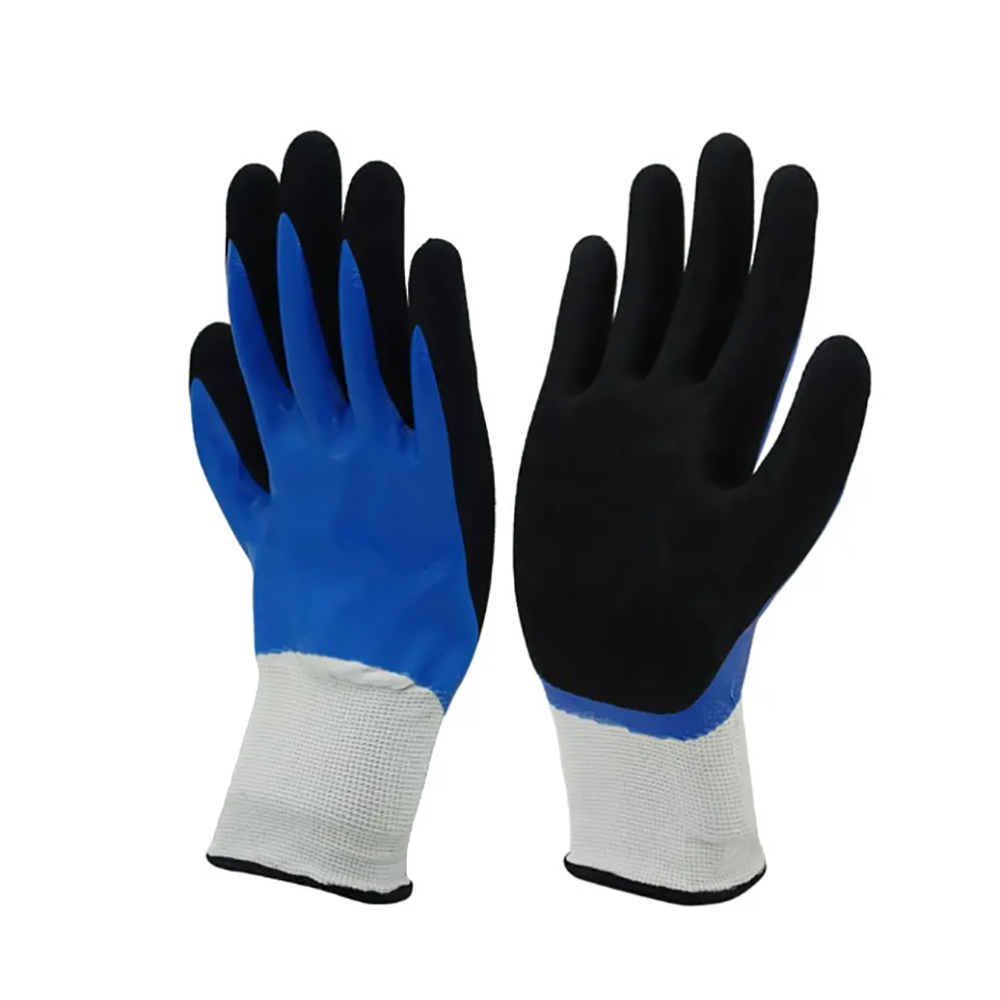
Types of Work Gloves You Need to Know
Not all gloves are built the same. Each type protects against a specific hazard.
- Cut-Resistant Gloves: Made with materials like Kevlar or reinforced fibers. These stop blades, glass, and sharp metal from slicing through.
- Chemical-Resistant Gloves: Built from nitrile, latex, or PVC. These block acids, solvents, and other harsh substances from touching your skin.
- Heat Resistant Safety Gloves: Designed for welders, cooks, and foundry workers. These handle high heat without melting or burning through.
- Anti-Vibration Gloves: Used with power tools like jackhammers and grinders. These reduce hand fatigue and long-term nerve damage.
- Anti-Static Gloves: Common in electronics manufacturing. These prevent static buildup that could damage sensitive components.
- General Purpose Gloves: Great for everyday tasks like lifting, moving, and light assembly work.
At VITOPPE, our glove and safety lineup covers every one of these categories. We believe good work gloves and safety gear should match the exact risk you’re facing — not just offer generic protection.
Glove Materials Compared
The material determines how well a glove protects you. Here’s a quick breakdown:
- Leather: Tough and durable. Great for general labor and light cut protection.
- Nitrile: Resists oils, chemicals, and punctures. A top choice for food and industrial work.
- Latex: Flexible and comfortable. Common in food handling and medical settings.
- PVC: Waterproof and chemical-resistant. Ideal for wet or messy jobs.
- Cotton: Breathable and soft. Best for light-duty tasks or as a liner under heavier gloves.
Choosing the right material isn’t about picking the toughest option. It’s about matching the material to your actual job.
Understanding EN388 & EN407 Ratings
If you’ve shopped for gloves before, you’ve probably seen strange codes on the label. Here’s what they mean.
EN388 rates mechanical protection. It covers:
- Abrasion resistance
- Cut resistance
- Tear resistance
- Puncture resistance
Each category gets a number. A higher number means better protection.
EN407 rates heat and fire protection. It covers:
- Flame resistance
- Contact heat resistance
- Radiant heat resistance
- Small splash of molten metal resistance
If you’re buying heat resistant safety gloves, always check the EN407 rating first. It tells you exactly how much heat the glove can handle before it fails.
How to Choose Gloves by Industry
Different jobs need different protection. Here’s a simple breakdown:
- Construction: Go with cut-resistant and impact-resistant gloves. You need grip and durability on rough materials.
- Chemical Plants: Nitrile or PVC chemical-resistant gloves are a must. Never use cotton or leather around harsh chemicals.
- Food Industry: Food safety gloves need to be food-grade certified. Nitrile and latex are the most common choices here.
- Automotive: Look for oil-resistant gloves with good grip. Mechanics need dexterity without losing protection.
- Electrical Work: This is where electrical safety gloves come in. Rubber gloves electrical safety ratings matter a lot here. Never use a glove that isn’t specifically rated for voltage protection.
How to Measure Your Glove Size
Wearing the wrong size glove is dangerous. Too loose, and you lose grip. Too tight, and your hands get tired fast.
Here’s how to measure:
- Wrap a tape measure around your palm, just below the knuckles.
- Measure in inches around the widest part of your hand.
- Match that number to a standard sizing chart (Small, Medium, Large, XL).
Always measure your dominant hand. It’s usually slightly bigger than the other.
VITOPPE’s Work Gloves: Built for Every Job
At VITOPPE, we don’t believe in one-size-fits-all safety gear. Our safety glove collection is designed for real working conditions, not just a checklist.
Here’s what sets us apart:
- Full Range of Protection: From cut-resistant to heat resistant safety gloves, we cover every hazard type.
- Quality You Can Trust: Every batch is tested and verified by SGS and CTC before it ships.
- Comfort First: Our gloves are designed to fit well and move naturally, so workers actually want to wear them.
- Fast Turnaround: Get samples in just 15 working days. Bulk orders ship in 40–45 days.
Whether you need food safety gloves for a processing plant or rubber gloves electrical safety gear for a utility crew, we’ve got you covered. We’re not just another name on the list of global glove and safety suppliers — we’re a partner who understands your industry.
Protect Your Team the Right Way
Choosing the right gloves of safety isn’t complicated once you know what to look for. Match the hazard, check the certification, and get the right fit. That’s it.
Ready to upgrade your team’s hand protection? VITOPPE makes it easy.
Contact VITOPPE today for a free sample and wholesale pricing!