
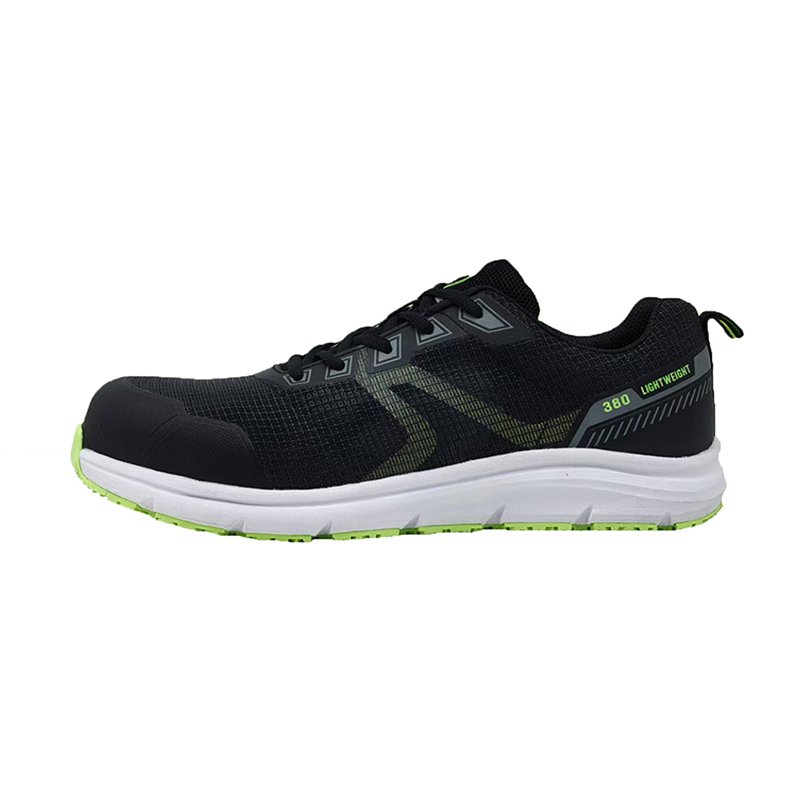
1. The Invisible Shift: Why Women’s PPE is a Top Priority
For decades, the industrial world operated on a “one size fits all” mentality—which usually meant “one size fits men.” But the data tells a different story. Women now make up a significant and growing percentage of the workforce in manufacturing, logistics, and construction.
Despite this, many women are still forced to wear smaller versions of men’s industrial safety shoes. This isn’t just a fashion problem; it’s a safety and health crisis. “Shrinking and pinking” a man’s boot doesn’t account for the unique anatomy of a woman’s foot. As the global PPE market evolves, providing proper safety shoes for women’s needs has become one of the fastest-growing segments in the industrial shoeworks/industrial safety shoes sector.
2. Anatomy Matters: Why Men’s Shoes Are Failing Women
A woman’s foot is not just a smaller version of a man’s. If you simply put a woman in a men’s size 6, she will likely experience blisters, foot fatigue, and long-term joint pain. Here is why specialized modern safety shoes are necessary:
- Narrower Heel: Women generally have a narrower heel-to-ball ratio. In a men’s shoe, the heel slips, leading to instability and friction.
- Higher Arch: Women often have higher, more defined arches that require different support structures.
- Forefoot Shape: While the heel is narrower, the forefoot needs room to spread. A men’s shoe is often too wide in the wrong places, causing the foot to slide forward into the safety shoes toe.
- The Result of Poor Fit: Chronic metatarsal pain, ankle sprains, and reduced productivity.
3. 5 Key Indicators for Choosing the Right Women’s Safety Footwear
When HR managers or safety officers are looking to stock lightweight safety shoes for women, they should look for these five specific markers:
- Female-Specific Last: Ensure the shoe was built on a mold (last) designed for women.
- Weight Control: A lightweight safety shoe is essential. Ideally, a woman’s safety sneaker should be under 400g to reduce leg strain during 10-hour shifts.
- Breathability: Look for advanced mesh or moisture-wicking linings to handle long-term wear.
- Impact Protection: Never sacrifice safety for style. The safety toe shoes women wear must provide the same impact resistance as men’s versions.
- Size Inclusivity: A professional range should offer sizes from EU 35 to 42.
4. 🔐 The Truth About Certification: Standard is Gender-Neutral
There is a common myth in the industry that cool safety shoes for women are “light duty” or less protective. This is false.
At VITOPPE, we emphasize that the EN ISO 20345 standard does not care about gender. Whether it is a heavy-duty boot or a modern safety shoe, it must pass the same rigorous testing at world-class labs like CTC (France) and SGS (Switzerland).
| Test Type | Requirement for Men | Requirement for Women |
|---|---|---|
| Impact Resistance | 200 Joules | 200 Joules (Identical) |
| Compression Resistance | 15,000 Newtons | 15,000 Newtons (Identical) |
| Anti-Puncture | 1,100 Newtons | 1,100 Newtons (Identical) |
| Testing Authority | CTC / SGS | CTC / SGS |
If a supplier tells you that women’s shoes don’t need the same certification, they are putting your workers at risk.
5. Industry-Specific Recommendations
Every work environment has different hazards. Here is how to choose the right industrial safety shoes for your specific field:
🏥 Healthcare & Laboratories
- Needs: Slip resistance, easy-to-clean surfaces, and non-metallic protection.
- Pick: Composite toe sneakers with SRC-rated outsoles.
🏭 Manufacturing & Factories
- Needs: Oil resistance, steel toe protection, and all-day cushioning.
- Pick: Modern safety shoes with leather uppers and dual-density PU soles.
📦 Warehouse & Logistics
- Needs: Extreme breathability and high mobility.
- Pick: Cool safety shoes that look like athletic trainers but have a certified lightweight safety shoe build.
🏗️ Construction Sites
- Needs: S3-grade water resistance and puncture-proof midsoles.
- Pick: Mid-cut boots with reinforced safety shoes toe and Kevlar midsoles.
6. HR Procurement Strategy: How to Get it Right
If you are an HR manager responsible for a large workforce, follow this roadmap to improve employee satisfaction and safety compliance:
- Conduct a Footwear Audit: Don’t just order sizes. Ask your female employees about their current pain points (e.g., “shoes are too heavy” or “heels are slipping”).
- Run Wear Tests: Before a bulk order, get 5–10 women to test a lightweight safety shoe for a week. Real-world feedback is better than any catalog.
- Verify the Reports: Always ask the distributor for the CTC or SGS report specifically for the women’s models.
- Prioritize Comfort: Remember, a comfortable worker is a productive worker. Investing in safety toe shoes women actually want to wear reduces downtime and injury claims.
7. Discover the VITOPPE Women’s Collection
At VITOPPE, we don’t believe in compromise. Our women’s range is designed from the ground up on female lasts, ensuring that “lightweight” and “rugged” can exist in the same shoe.
Whether you need industrial shoeworks/industrial safety shoes for a heavy construction site or cool safety shoes for a modern warehouse, our products carry the same CTC/SGS gold standard of safety.
🚀 Equip Your Team Today
Ready to provide your female workforce with the protection they deserve?