
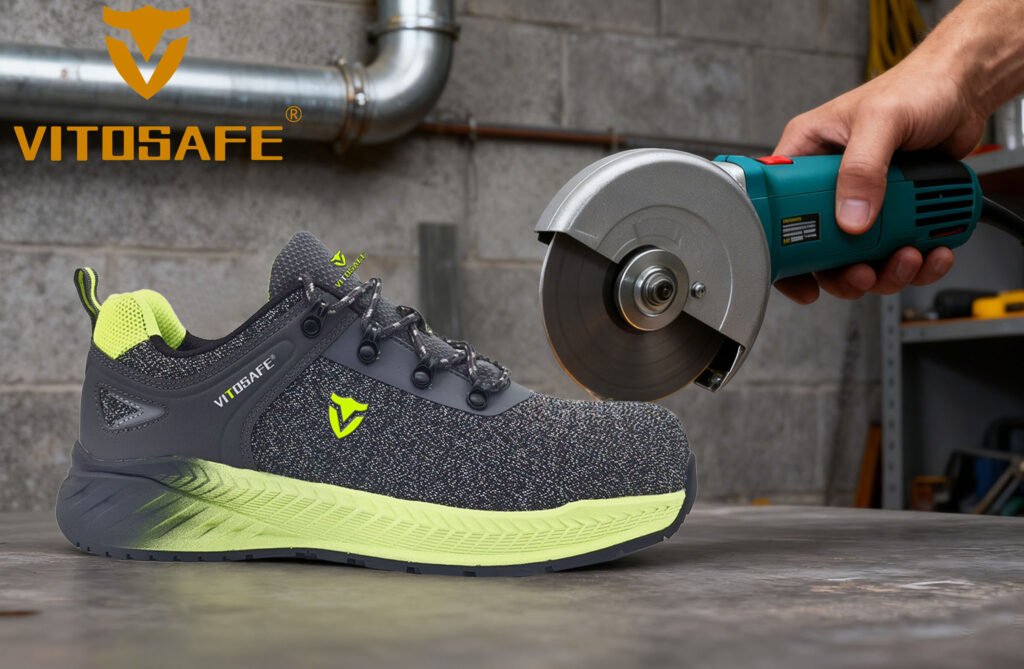
Opening a new industrial facility, warehouse, or construction site is an exhilarating milestone. However, it also introduces a massive legal and ethical responsibility: protecting your workforce. In the rush of commissioning machines and hiring staff, the workplace safety program setup is often left until the last minute.
A poorly designed Personal Protective Equipment (PPE) program leads to more than just fines; it leads to inconsistent protection, worker discomfort, and high turnover. If you are wondering how to build a PPE program that is both compliant and cost-effective, this guide provides the professional blueprint you need to move from a blank floor to a fully protected team.
1. Step 1: Hazard Assessment Before Product Selection
The biggest mistake new safety managers make is browsing a catalog before walking the floor. PPE is the last line of defense in the Hierarchy of Controls. Before you buy a single safety boot, you must identify the hazards that cannot be eliminated by engineering or administrative changes.
How to conduct a Job Safety Analysis (JSA):
- Observe the Tasks: Don’t just look at the machines; look at how people interact with them. Are they lifting heavy crates? Working near chemical splashes?
- Identify Energy Sources: Where are the risks of impact, heat, electricity, or puncture?
- Review the Floor: Are the surfaces oily, wet, or uneven? This will determine whether you need safety shoes S3 or standard S1P models.
2. Step 2: Map Hazards to Standards (The Mapping Matrix)
Once you know your hazards, you must map them to international standards. This step ensures that your PPE program checklist is legally defensible in the event of an audit.
Use this Hazard-Standard-Product Matrix to guide your selection:
| Hazard Identified | Body Part at Risk | Required Standard | Recommended Product Type |
|---|---|---|---|
| Falling Objects / Crushing | Feet | EN ISO 20345 / ASTM F2413 | Steel Toe Shoes |
| Sharp Nails / Metal Scraps | Foot Sole | Puncture Resistance (P) | Midsole-protected Safety Shoes |
| Low Visibility / Night Work | Torso / Limbs | EN ISO 20471 | High-Visibility Safety Clothing |
| Electrical Arcs / Static | Whole Body | ESD / Antistatic | Safety Shoes for Men (ESD Rated) |
| Falling Debris / Head Impact | Head | EN 397 / ANSI Z89.1 | Industrial Safety Helmet |
By following this mapping, you aren’t just buying “boots”; you are buying “certified protection against a specific hazard.”
3. Step 3: Sizing, Fit, and the Comfort Factor
A PPE program fails if the workers refuse to wear the equipment. The number one reason for non-compliance is poor fit. If a safety shoe causes blisters or a helmet is too heavy, workers will “accidentally” leave them in their lockers.
The Fit Protocol for New Facilities:
- Anatomical Sizing: Don’t just ask for a shoe size. Conduct a sizing clinic. At VITOPPE, we offer diverse lasts (shoe molds) because a man’s foot and a woman’s foot are shaped differently.
- The Weight Factor: For high-mobility roles like logistics, prioritize lightweight safety sneakers.
- Trial Period: Before a bulk order, give a small “test group” the equipment for one week. Their feedback will save you thousands of dollars in wasted inventory.
4. Step 4: Training and Wear Compliance
Buying the gear is only 50% of the battle. The other 50% is ensuring your team knows how to use it. Workplace safety program setup must include a formal training phase.
Training Essentials:
- The “Why”: Don’t just tell them to wear it. Show them the lab reports. Show them how a steel toe cap withstands 200J of impact.
- Proper Fitment: Teach them how to lace boots to prevent ankle rolls and how to adjust helmet suspensions.
- Signage: Install high-visibility signs at every entry point. If you are in an S3-required zone, the sign should be unmistakable.
5. Step 5: Inspection and Replacement Cycles
PPE is not “buy once and forget.” It is a consumable. Your program needs an inspection schedule to identify when gear has lost its protective integrity.
| PPE Item | Common Inspection Points | Typical Replacement Cycle |
|---|---|---|
| Safety Shoes | Worn tread, exposed toe caps, cracked soles | 6–12 months (Site dependent) |
| Safety Helmets | Cracks, chalky texture (UV damage), brittle straps | 3–5 years (Unless impacted) |
| High-Vis Clothing | Faded color, loss of reflective striping | 25–50 industrial washes |
The Red Tag System: Give workers an easy way to report damaged gear. If a worker drops a heavy pallet on their steel toe shoe, that shoe must be replaced immediately, even if it looks fine.
6. Step 6: Choosing Suppliers Who Can Scale With You
For a new facility, you need a partner, not just a vendor. When evaluating suppliers for your PPE program checklist, ask these six critical questions:
- Do you provide original CTC/SGS reports? (Never accept “Self-certified”).
- Can you handle “One-Stop” procurement? (Can you ship shoes, helmets, and vests together to save on logistics?)
- What is your sample lead time? (VITOPPE offers 15-day sample dispatch).
- Do you offer custom branding (OEM)? (Matching PPE to company colors increases brand pride).
- What is your MOQ for bulk orders?
- Can you provide technical data sheets for every SKU?
7. The 90-Day Rollout Timeline
Building a program from scratch takes time. Here is the ideal timeline for a new facility:
- Day 1–15: Conduct Hazard Assessment and JSA.
- Day 16–30: Map hazards to standards and select a supplier.
- Day 31–45: Request samples and conduct a “Wear Test” with a small group.
- Day 46–60: Collect sizes and place the bulk order.
- Day 61–75: Gear arrives. Conduct initial training and fitment sessions.
- Day 76–90: Full implementation. Begin daily compliance audits and feedback loops.
Conclusion: Safety Starts at the Ground Floor
Building a PPE program from scratch is an investment in your company’s future. By following a structured approach—from hazard assessment to selecting a scalable supplier—you ensure that your facility is not just a place of work, but a sanctuary of safety.
At VITOPPE, we specialize in helping new facilities find the perfect balance between high-level protection and budget efficiency. Our footwear is tested by the world’s leading labs (CTC & SGS), ensuring your program starts on a foundation of proven quality.