
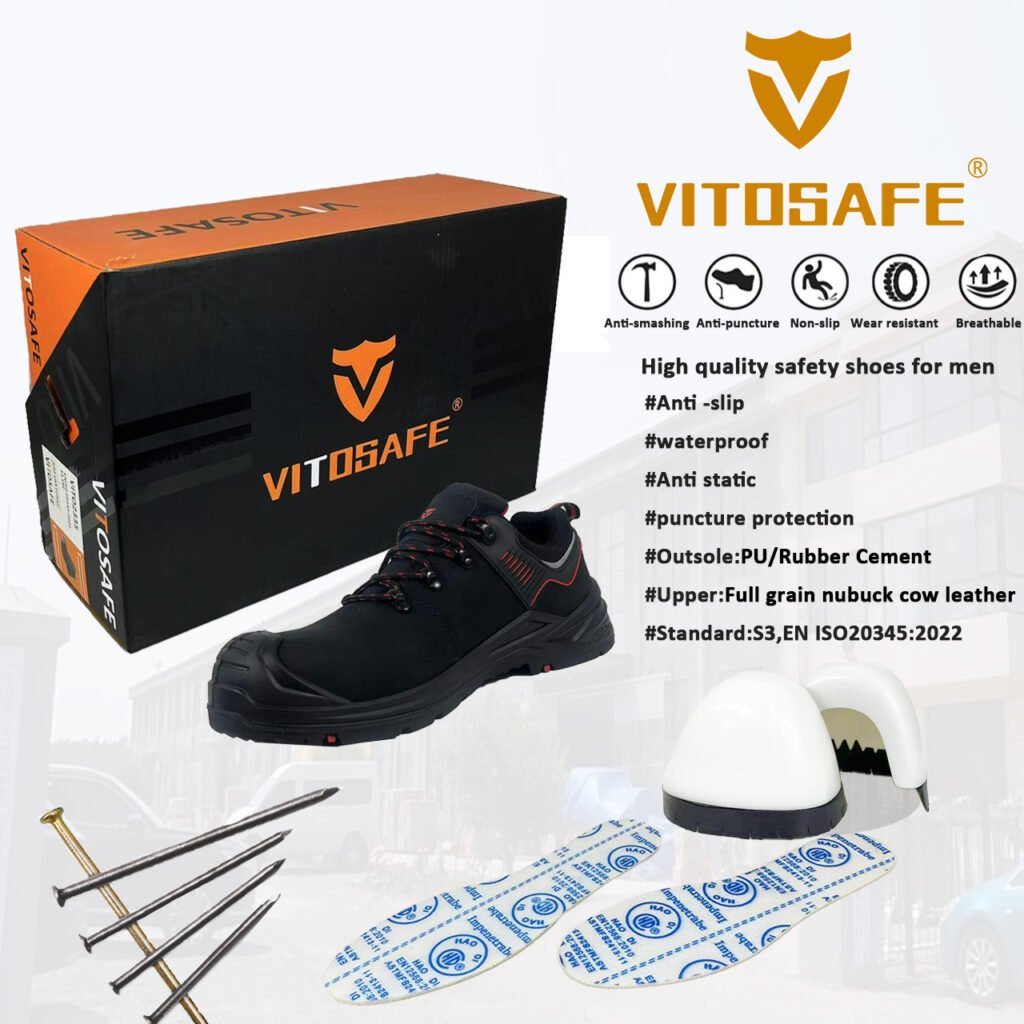
Southeast Asia is currently home to some of the world’s fastest-growing construction, manufacturing, and logistics sectors. From the skyline-defining projects in Manila to the high-tech industrial parks of Singapore, the demand for high-quality Personal Protective Equipment (PPE) has never been higher.
However, for many procurement managers and distributors, the transition from “selecting a product” to “clearing customs” is where the process becomes difficult. Navigating the regulatory landscape of ASEAN (Association of Southeast Asian Nations) requires more than just a purchase order. It requires a deep understanding of PPE customs compliance, regional standards, and logistical strategy.
Whether you are looking to import PPE into the Philippines or secure safety equipment imports for Singapore, this guide provides a professional roadmap to ensure your cargo moves smoothly from the factory floor to your warehouse.
1. Why PPE Imports Trip Up First-Time Buyers
Importing industrial goods like safety shoes or helmets is not the same as importing general consumer electronics. PPE is classified as “regulated cargo” in almost every Southeast Asian nation because it directly impacts human life.
The most common “trip-ups” we see at VITOPPE involve:
- The Standards Gap: Assuming that a product sold in one market is automatically legal in another.
- Documentation Mismatch: Slight discrepancies between the Commercial Invoice and the Packing List that trigger a “Red Lane” customs inspection.
- Misclassification: Using the wrong HS Code (Harmonized System Code), leading to overpayment of duties or, worse, fines for attempted tax evasion.
Understanding these risks upfront is the first step toward a successful supply chain.
2. Standards Recognition: EN ISO and ASTM in ASEAN Markets
One of the most frequent questions we receive is: “Does my country accept European or American standards?” In Southeast Asia, the answer varies by country, but there is a strong trend toward international alignment.
Philippines (The DOLE and BPS Context)
To import PPE into the Philippines, you must be aware of the Department of Labor and Employment (DOLE) requirements. Generally, the Philippines recognizes both ANSI/ISEA (US) and EN ISO (European) standards. However, certain items require a Philippine Standard (PS) Quality or Safety Mark or an Import Commodity Clearance (ICC).
Singapore (The WSH and Enterprise Singapore Context)
When managing safety equipment imports for Singapore, the Workplace Safety and Health (WSH) Act is the primary legislation. Singapore is highly standardized. While they often have their own “SS” (Singapore Standard), these are usually direct adoptions of EN ISO standards. For example, safety footwear in Singapore must typically comply with SS 513, which is aligned with EN ISO 20345.
Pro Tip: Always ensure your supplier provides test reports from internationally accredited labs like SGS or CTC. Having these reports ready is the backbone of PPE customs compliance.
3. The Documentation Pack: Your Compliance Shield
Customs officers in Southeast Asia are meticulous. If your “Document Pack” is incomplete, your goods will sit in a humid port warehouse, incurring demurrage charges.
A standard compliance pack for ASEAN PPE imports should include:
- Commercial Invoice & Packing List: Must include detailed descriptions (e.g., “Steel Toe Safety Shoes” rather than just “Shoes”).
- Bill of Lading (B/L): The title document for your cargo.
- Certificate of Origin (Form E): For buyers in the Philippines, Vietnam, or Indonesia, Form E is vital. Under the ASEAN-China Free Trade Area (ACFTA), this form allows you to import PPE from China at significantly reduced or zero-percent duty rates.
- Test Reports (SGS/CTC): Verifiable proof that the goods meet the EN ISO 20345 or relevant standard.
- Technical Data Sheets (TDS): Occasionally required by customs to verify the material composition (e.g., whether a boot is genuine leather or PVC gumboots).
4. Duties, Taxes, and Lead-Time Planning
Costing your import requires looking beyond the FOB price. You must calculate the Landed Cost.
- Customs Duties: While many PPE items have low duties under free trade agreements, some countries protect local industries with higher rates on specific footwear. Always check the HS Code (usually starting with 6403 for leather safety shoes).
- Value Added Tax (VAT/GST):
- Philippines: 12% VAT is standard.
- Singapore: 9% GST (as of 2024).
- Lead-Time Planning: Shipping from China to Manila or Singapore usually takes 7–14 days by sea. However, you should allow an additional 5–7 days for customs clearance and “last-mile” delivery to your facility.
5. Incoterms Explained for PPE Shipments
Choosing the right Incoterm (International Commercial Terms) defines who is responsible for the risk and cost at each stage.
- FOB (Free On Board): You take control once the goods are on the ship. This is best for established buyers with their own freight forwarders in the Philippines or Singapore.
- CIF (Cost, Insurance, and Freight): The manufacturer handles the shipping and insurance to your port. This is the most common choice for mid-sized distributors.
- DDP (Delivered Duty Paid): The “stress-free” option. The manufacturer handles everything, including duties and taxes, delivering straight to your door. While more expensive, it is excellent for new buyers who are still learning PPE customs compliance.
6. Five Pitfalls and How to Avoid Them
Based on a decade of export experience, here are the “Hard Truths” of PPE importing:
- Labeling Errors: Many countries require the “Country of Origin” and the specific “Safety Rating” to be permanently stamped on the product. Stickers are often rejected.
- Expired Certificates: Ensure the SGS/CTC report provided by your manufacturer is current. Customs may reject reports that are more than 3–5 years old.
- Language Barriers: All documents must be in English. In markets like Vietnam or Indonesia, a local language translation of the user manual may also be required.
- Quantity Discrepancies: If your Packing List says 1,000 pairs but customs counts 1,005, the entire shipment can be flagged for “undeclared goods.”
- Wood Packaging: If your PPE is on wooden pallets, they must be heat-treated and stamped with the ISPM 15 logo. If not, the cargo may be refused entry or subjected to expensive fumigation.
7. How a Manufacturer Partner Simplifies the Process
When you partner with an experienced manufacturer like VITOPPE, you aren’t just buying products; you are buying an export engine.
A professional partner helps you by:
- Pre-Clearing Documents: We review your documentation against local requirements before the ship leaves the port.
- Accredited Testing: We provide verifiable SGS and CTC reports that are recognized by Southeast Asian authorities.
- Flexible Shipping: Whether you need a full container of industrial boots for a project in Davao or a small LCL shipment for a retail store in Singapore, we handle the logistics complexities.
Conclusion: Compliance is a Competitive Advantage
In the competitive Southeast Asian market, the ability to import PPE reliably is a massive advantage. While your competitors are dealing with customs delays and fines, a compliant supply chain ensures your workers stay protected and your projects stay on schedule.
Importing doesn’t have to be a gamble. By focusing on standard recognition, meticulous documentation, and choosing the right partner, you can turn your PPE procurement into a seamless part of your business operations.
Questions about documentation for your specific market? Our export team handles Southeast Asian compliance daily—talk to us today for a consultation or a quote.
VITOPPE — Qingdao Vitosafe Footwear Co., Ltd. | Your Certified Partner for Global PPE