
Quick Answer: Safety shoes hurt feet primarily due to incorrect sizing, poor arch support, or excessive weight. Unlike regular footwear, safety shoes have a rigid protective cap that does not stretch. To fix foot pain, you must ensure a 1cm gap in the toe box, use ergonomic insoles, or switch to modern lightweight safety shoes for womens and men that use advanced materials like composite toes and breathable microfiber.
If you finish a long shift only to find your feet throbbing, swollen, or blistered, you might think it is just “part of the job.” At VITOPPE, we are here to tell you that foot pain is not a normal side effect of wearing safety shoes for work. Protective footwear is designed to shield you from external hazards, but it should never become a hazard to your own comfort and health.
When your safety shoees (safety shoes) hurt, it usually points to a specific issue with fit, design, or wear. As a leading manufacturer with years of R&D verified by CTC and SGS, we have identified the seven most common reasons for foot pain and how you can fix them.
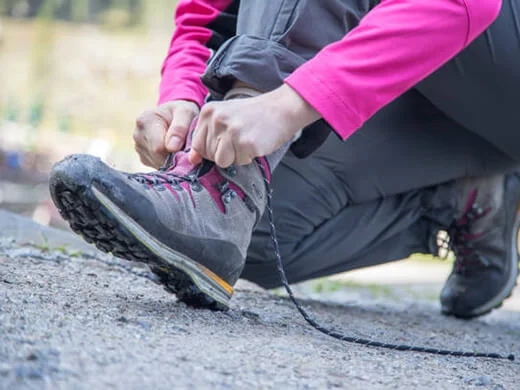
1. Incorrect Sizing: The Foundation of Comfort
The most common reason for pain is simply wearing the wrong size. Many workers buy their safety mens shoes or women’s shoes in the same size as their casual sneakers. However, safety footwear does not stretch like leather or canvas sneakers because of the rigid toe cap.
If your shoes are too tight, they compress the nerves in your feet. If they are too loose, your foot slides forward, causing your toes to crash into the steel or composite cap.
- The Fix: Always measure your feet at the end of the day when they are at their largest. Ensure there is about 1 cm of space between your longest toe and the end of the shoe.
2. Ignoring the Width of Your Foot
Length is only half the battle. Many people have wide feet but try to squeeze into standard-width safety shoes for work. This leads to painful “pinching” at the sides of the ball of the foot. Since the protective cap is made of steel or hard composite, it will not expand over time.
- The Fix: Look for brands that offer wide-fit options. If you feel pressure on the sides of your pinky toe, you likely need a wider model rather than a longer one.
3. Inadequate Arch Support
If the pain is concentrated in your arches or heels, the culprit is likely a lack of internal support. Many entry-level safety mens shoes come with basic, flat insoles that offer zero contouring. Over time, this leads to plantar fasciitis—a sharp pain in the heel that can become chronic.
- The Fix: Upgrade your insoles. Investing in high-quality orthotic inserts can transform regular footwear into comfortable safety toe shoes. VITOPPE’s footwear is designed with ergonomic footbeds to prevent arch collapse during 12-hour shifts.
4. Insufficient Toe Box Space
This is a frequent complaint regarding safety toe shoes for women. Traditional safety footwear was often designed for male foot shapes, which are generally wider at the heel. When women wear these designs, the proportions are off, often leading to the toes rubbing against the hard cap.
- The Fix: Choose lightweight safety shoes for womens that are built on a female-specific mold. A properly designed safety toe shoe for women will have a narrower heel but a sufficiently deep toe box to prevent rubbing.
5. Excessive Weight Leading to Fatigue
Standard safety boots can weigh up to 2.5 kg per pair. Lifting that extra weight with every step for 10,000 steps a day leads to massive muscle fatigue in the legs and lower back.
- The Fix: Switch to modern, lightweight materials. At VITOPPE, we specialize in lightweight safety shoes for ladies and men that utilize composite toes and advanced fly-knit fabrics to reduce weight by up to 30% without sacrificing protection.
6. Poor Breathability and Heat Buildup
When a safety work shoe lacks ventilation, heat and moisture build up inside. This causes your feet to swell. As your feet expand, a shoe that fit perfectly at 8:00 AM becomes a torture device by the afternoon.
- The Fix: Prioritize lightweight safety shoes for womens made with mesh panels or breathable microfiber. Proper airflow keeps feet at a stable size and prevents the friction that causes blisters.
7. The Shoes Have Reached the End of Their Lifespan
Even the best safety shoees have a limit. Once the internal cushioning compresses and the outsole loses its shock absorption, the impact of every step travels directly into your joints.
- The Fix: Inspect your shoes every six months. If the tread is worn flat or the interior lining is torn, it is time to replace them with a pair of light safety shoes for womens or men.
Comparison: Heavy Duty vs. VITOPPE Comfort Series
| Feature | Traditional Heavy Safety Boots | VITOPPE Lightweight Comfort Series |
|---|---|---|
| Weight (Per Pair) | 1.8kg – 2.5kg | 0.8kg – 1.2kg |
| Toe Cap Material | Traditional Steel | Composite or Light Alloy |
| Breathability | Low (Solid Leather) | High (Mesh / Breathable Microfiber) |
| Primary Benefit | Maximum Impact Protection | Comfortable safety toe shoes for high mobility |
| Best For | Mining / Heavy Construction | Logistics / Warehouse / Light Industry |
| Certification | General Standards | Verified by CTC & SGS |
How to Improve Comfort with Insole Upgrades
If you aren’t ready to buy new shoes yet, you can try these quick fixes:
- Memory Foam Insoles: These provide instant relief by contouring to the shape of your foot.
- Proper Lacing: Use “heel lock” lacing techniques to prevent your foot from sliding forward into the toe cap.
- Rotation: If possible, rotate between two pairs of safety shoes for work to allow the foam in one pair to fully decompress and dry out.
Why Choose VITOPPE for Pain-Free Work?
At VITOPPE, we believe that you shouldn’t have to choose between safety and comfort. Our R&D team focuses on solving the very problems listed above. By using specialized lasts for lightweight safety shoes for ladies and advanced shock-absorbing soles for safety mens shoes, we ensure that “break-in periods” are a thing of the past.
Our products are not just “marketed” as safe; they are verified by global authorities like CTC and SGS. This ensures that even our light safety shoes for womens meet the highest impact and compression standards while feeling as light as a standard running sneaker.
Conclusion: Stop the Pain Today
Pain is your body’s way of telling you that something is wrong. Whether it is a sizing issue or a need for lightweight safety shoes for womens, addressing the problem will improve your productivity, your mood, and your long-term health.
Don’t settle for uncomfortable footwear. Explore the VITOPPE collection today to find comfortable safety toe shoes that work as hard as you do.
Ready for a change? Contact VITOPPE today to find the perfect fit for your team, or browse our latest range of CTC/SGS verified lightweight safety footwear.